
Archive

August 14, 2026

Browsing

The Japanese yen continued its recent retreat, reaching its lowest level since July 31 as the recent US intervention backfired. The USD/JPY pair rose to 159.43, up by 2.72% from its lowest level this month. 

Japanese yen retreat continues as carry trade intensifies

The USD/JPY pair crashed hard earlier this month, reaching its lowest level since May, after the Donald Trump administration made its biggest intervention in years. It did that by converting some of its euro holdings into the Japanese yen, a move that caught European officials offguard.

The Bank of Japan (BoJ) also intervened, pumping billions of dollars to yen buying. This happened after the pair jumped to 163.96, its highest level in decades. 

The Trymp administration intervened to prevent the BoJ from intensifying its US government bond sales, which would have driven yields higher. Already, the 30-year yield has remained above 5% for months.  And this week, the US government sold ten-year bonds at the highest yield in years. 

Historically, forex market interventions tend to have a short-term impact on the currency. A good example of this is how the Japanese yen jumped on April 30th after the BoJ intervened and then resumed its downward trend.

The main issue facing the Japanese yen is that the Bank of Japan maintains low interest rates compared to the Federal Reserve. It recently hiked rates to 1%, the highest level in decades. This rate, however, is much lower than the US, which has remained between 3.50% and 3.75% this year.

The implication of this is that the USD/JPY has become a carry top carry trade pair. A carry trade is a situation where investors borrow from a low interest country and invests in a high interest rate one. In this case, they are borrowing from Japan and investing in the US.

As such, analysts believe that the Japanese yen will only have a sustained uptrend against the US when the BoJ hikes interest rates further. The BoJ has hinted that it may hike rates further this year. A Polymarket poll shows that odds of a 25 basis point hike in September have jumped to 68%.

Separately, the USD/JPY pair reacted mildly to the latest US nonfarm payrollsand consumer inflation data. The jobs report showed that the US economy lost 23k jobs in July, while the unemployment rate dropped to 4.2%. Another report released on Wednesday showed that the US inflation softened a bit in July. These numbers mean that the Fed will maintain rates unchanged this year.

What next for the USD/JPY pair?

USDJPY chart | Source: TradingView

The daily chart shows that the USD to JPY pair has rebounded in the past two weeks as the impact of the intervention fades. It has now jumped to 159.46, and is attempting to cross the 25-day Exponential Moving Average (EMA). 

The Average Directional Index (ADX) has continued rising and moved to 37, the highest level in months, a sign that the uptrend is continuing. Therefore, the path of the least resistance for the pair is bullish, with the next key target to watch being 160. A move above that level will point to more upside.

The only caveat to remember is that the BoJ and the US have hinted at possible interventions, meaning that these gains can easily reverse.

The post USD/JPY forecast as US and BoJ forex intervention backfires appeared first on Invezz

Netflix NFLX stock rose more than 4% on Thursday after billionaire investor Bill Ackman’s Pershing Square Capital Management disclosed a new stake in the streaming giant, marking a return to the company more than four years after exiting its previous investment at a loss.

In its second-quarter shareholder letter, Pershing Square revealed it had acquired a 4.9% portfolio stake in Netflix.

The hedge fund, known for running a concentrated portfolio of fewer than a dozen holdings, said it believes the streaming company is well-positioned for long-term growth despite the stock’s sharp decline from last year’s peak.

The renewed investment comes as Netflix continues expanding its advertising business and live sports offerings while investors reassess the company’s valuation following a prolonged share-price correction.

Pershing Square says Netflix has ‘won the streaming wars’

Pershing Square said its investment thesis has changed significantly since it exited Netflix in early 2022 after losing more than $400 million on the position.

“When we first invested in early 2022, investors feared an escalating content arms race among a crowded field of streaming entrants,” Bill Ackman and Pershing Square Chief Investment Officer Ryan Israel wrote in the shareholder letter.

The executives argued that those concerns have largely faded, adding that “Netflix has since effectively won the streaming wars.”

They pointed to the company’s dominant subscriber base, saying its scale has become self-reinforcing and allows Netflix to outspend rivals on content while converting roughly 90% of its earnings into free cash flow.

Pershing also said it expects Netflix “to compound revenue at a double-digit growth rate, with content costs growing more slowly than revenue, driving continued margin expansion,” while describing the stock’s valuation as “a substantial discount” and “highly attractive in terms of business quality and prospective earnings growth.”

Advertising and live sports strengthen growth outlook

Pershing’s renewed confidence comes as Netflix continues adding new revenue streams beyond its traditional subscription business.

The company has expanded into live sporting events to attract additional viewers while growing its lower-priced, ad-supported subscription tier.

According to the reports, Netflix expects its advertising business to generate approximately $3 billion in revenue this year, while its 2026 US Upfront advertising commitments have nearly doubled from a year earlier.

Pershing also argued that concerns over competition from short-form video platforms have proven overstated.

The firm believes Netflix has sufficient financial resources to absorb higher computing costs associated with artificial intelligence and expects AI to improve both content recommendations and advertising targeting over time.

Valuation attracts investors after sharp decline

Netflix shares remain well below their previous highs after concerns surrounding engagement, failed acquisition rumors, and the company’s abandoned attempt to acquire Warner Bros. Discovery weighed on investor sentiment.

The stock has fallen roughly 42% from last year’s peak and was trading at around 24 times earnings, well below its three-year average valuation multiple of 43.

Pershing said the broader market’s focus on artificial intelligence infrastructure investments has created opportunities in other sectors.

Ackman and Israel wrote that the environment has enabled the firm to deploy nearly $5 billion since Pershing Square’s initial public offering earlier this year.

The post Netflix stock jumps 4% as Bill Ackman returns with a new stake appeared first on Invezz

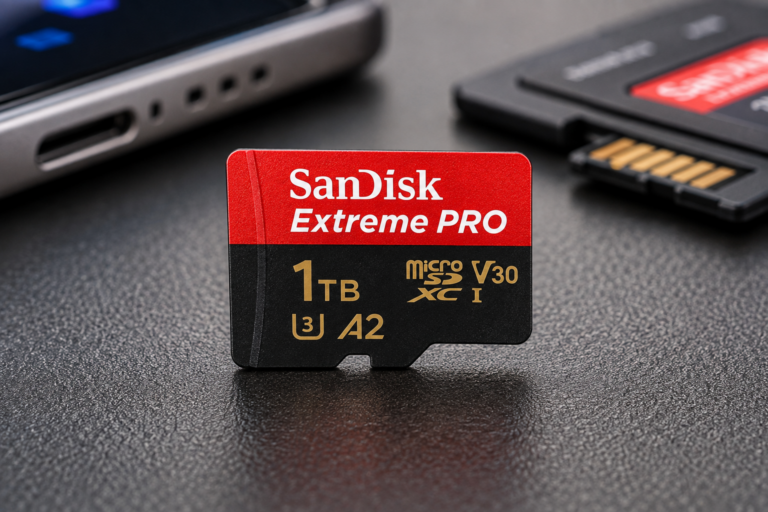
SanDisk SNDK stock surged on Thursday after the memory chipmaker unveiled ambitious long-term financial targets and sought to reassure investors that demand for memory used in artificial intelligence infrastructure will remain strong through the end of the decade.

Shares climbed around 15% after the company’s 2026 Investor Day, extending recent gains and making SanDisk one of the best-performing stocks in the S&P 500.

The rally also lifted other memory and storage companies, with Micron Technology and Western Digital posting strong gains.

The upbeat outlook comes as investors have increasingly questioned whether the current memory boom can withstand the industry’s traditionally cyclical nature.

SanDisk’s management argued that multi-year customer agreements and AI-driven demand should help support growth and profitability for years to come.

Long-term growth targets lift investor confidence

At its Investor Day, SanDisk projected annual revenue growth in the mid-to-high teens between fiscal 2028 and fiscal 2030.

The company also forecast adjusted gross margins of roughly 80% during that period, alongside adjusted free cash flow margins of about 50%.

Chief Financial Officer Luis Visoso said SanDisk plans to return all excess cash to shareholders “after investing in the business.”

The company also expects profitability to remain elevated despite concerns that increased memory supply could pressure pricing.

Adjusted gross margins reached 84.6% last quarter, compared with 26.4% a year earlier, benefiting from tight supply conditions in AI-related memory markets.

Rather than relying on short-term demand cycles, SanDisk said it is increasingly securing multi-year business model agreements with customers.

Those agreements cover about half of its memory capacity in fiscal 2027 and roughly two-thirds in fiscal 2028.

Visoso attributed management’s confidence to those long-term customer relationships, saying, “Our confidence in the sustainability of the model comes from our multi-year NBMs that are based on intimate relationships with our customers and grounded in innovation and collaboration.”

AI demand underpins memory strategy

SanDisk believes artificial intelligence will continue creating new sources of demand beyond conventional storage applications.

The company highlighted its latest NAND flash technologies, including BiCS9 QLC and BiCS10 QLC. According to SanDisk, BiCS10 can store 60% more bits within the same physical space than the previous generation.

It is also developing High Bandwidth Flash (HBF), a technology designed for AI inference workloads.

The product aims to help data centers process the growing volumes of information required as AI models generate responses.

Management estimates the enterprise data center flash market could expand to 1.2 zettabytes by 2030 as AI adoption accelerates, reinforcing its long-term outlook for memory demand.

Analysts point to stronger business visibility

The company’s increased use of long-term customer agreements also drew positive commentary from Wall Street.

Evercore ISI analyst Amit Daryanani said SanDisk “expects the agreements to generate highly attractive returns even at floor pricing,” suggesting the contracts could provide earnings resilience even if memory prices weaken.

While concerns about the cyclical nature of the memory industry remain, SanDisk’s latest projections indicate management expects AI-driven demand, disciplined supply, and long-term customer commitments to support sustained revenue growth and high profitability through the rest of the decade.

The post SanDisk stock soars 15% today: here's why appeared first on Invezz

Anthropic is reportedly targeting a valuation of at least $2 trillion in a potential October IPO, while Chinese memory-chip maker CXMT has overtaken Tencent to become the country’s most valuable listed company.

Gold prices retreated from two-month highs as investors booked profits after fresh US inflation data, and oil pared steep losses after reports of a drone attack on a Saudi Aramco refinery renewed supply concerns.

Anthropic targets $2 trillion IPO

Anthropic investors are reportedly expecting the artificial intelligence startup to seek a valuation of $2 trillion or more in a potential October stock market debut, according to a Financial Times report.

Such a listing would surpass SpaceX’s recent IPO valuation and become the largest initial public offering ever if it proceeds at that level.

The optimism is largely driven by Anthropic’s rapid revenue growth.

Investors expect the Claude developer’s annualised revenue run rate to reach between $100 billion and $120 billion by the end of 2026, more than doubling from the $47 billion annualised figure the company reported in May.

Some investors believe Anthropic’s growth trajectory could justify an even higher valuation.

However, the company has not publicly disclosed a valuation target, and several existing backers told the Financial Times that senior executives have yet to settle on one.

CXMT overtakes Tencent as China’s most valuable company

Chinese memory-chip manufacturer CXMT has overtaken Tencent as the world’s most valuable Chinese company, highlighting continued investor enthusiasm for AI-related semiconductor businesses.

The Shanghai-listed company ended Thursday with a market capitalisation of about $524 billion despite slipping 1.2% during the session.

Tencent’s valuation fell to roughly $510 billion as concerns over rising AI spending weighed on the internet giant’s shares.

The milestone reflects a broader market preference for companies exposed to artificial intelligence infrastructure rather than traditional internet platforms.

Since its market debut last month, the stock has surged following an initial 467% rally and recently gained further support after MSCI announced it would add the company to the MSCI China All Shares Index.

Tencent, meanwhile, has lost more than 26% this year as investors assess the impact of sharply higher AI investment spending on the company’s profitability.

Gold slips after inflation-driven rally

Gold prices fell nearly 1% on Thursday as investors locked in gains after bullion climbed to a two-month high earlier in the day.

Spot gold declined to around $4,352 per ounce after briefly touching $4,449, its highest level since early June. US gold futures also moved 1.1% lower.

The retreat came after US producer price data showed wholesale prices were unchanged in July, following consumer inflation data released a day earlier that showed headline inflation slowed to 3.4% year over year.

The latest inflation readings reduced expectations that the Federal Reserve would raise interest rates at its September meeting. Markets lowered the implied probability of a rate increase to around 34% following the data.

Profit-taking also contributed to the decline after gold rallied roughly 9% over the past week, supported by Chinese demand and retail buying.

Other precious metals also weakened, with silver, platinum and palladium all posting losses during the session.

Oil falls 2%

Oil prices fell even as reports said Yemen’s Houthi movement had targeted a Saudi Aramco refinery in Jazan with drones, renewing concerns about potential supply disruptions.

Brent crude fell 2% at around $87 a barrel. US West Texas Intermediate crude also declined 2%.

Earlier selling had been driven by weaker global demand forecasts and a sharp increase in US crude inventories.

The US Energy Information Administration reported the largest weekly build in commercial crude stocks since January 2023, while OPEC lowered its 2026 global oil demand growth forecast and the International Energy Agency projected a larger contraction in oil consumption this year.

At the same time, geopolitical tensions continued to underpin prices.

The United States and Iran issued competing claims over control of the Strait of Hormuz, while shipping data showed vessel traffic through the strategic waterway remained well below pre-war levels.

The market also monitored a sharp decline in Russian seaborne oil product exports following Ukrainian drone attacks on key refineries, adding to concerns over global fuel supplies.

The post Evening digest: Anthropic to target $2T valuation in IPO, Gold slips appeared first on Invezz

US stocks ended higher on Thursday, with the S&P 500 closing at a fresh record as easing inflation data, falling oil prices and continued strength in technology shares lifted investor sentiment.

The S&P 500 rose 0.66% to close at 7,799.73 after briefly crossing the 7,800 mark for the first time during the session.

The Nasdaq Composite gained 0.81% to 26,803.51, while the Dow Jones Industrial Average added 70.91 points, or 0.13%, to finish at 53,833.87.

Technology stocks led the advance, with gains in Meta Platforms, Broadcom, Micron Technology,SanDisk and Netflix helping push the broader market higher.

The benchmark S&P 500 has now gained about 14% in 2026, while the Nasdaq is up roughly 15% for the year.

Softer inflation reinforces Fed pause expectations

Investor sentiment received another boost after fresh inflation data suggested price pressures remained contained.

The US Producer Price Index was unchanged in July, below economists’ expectations for a 0.2% monthly increase.

Core producer prices, which exclude food and energy, rose 0.2%, slightly below forecasts of 0.3%.

The report followed Wednesday’s Consumer Price Index data, which showed headline inflation rising 0.1% in July, in line with expectations.

The combination of the two reports strengthened expectations that the Federal Reserve will leave interest rates unchanged at its September policy meeting.

According to CME FedWatch data, traders were pricing in roughly a 63% probability that policymakers will hold rates steady.

Economic data released on Thursday also showed weekly jobless claims increased modestly, pointing to a labor market that remains relatively stable despite signs of slowing economic activity.

Meanwhile, Brent crude futures settled about 2% lower at $87.07 a barrel as investors weighed weaker global demand expectations even as geopolitical tensions between the United States and Iran continued.

Lower oil prices also helped improve overall market sentiment.

Technology stocks extend AI-driven rally

Technology shares remained the primary driver of the market’s advance as investor confidence in artificial intelligence spending continued to improve.

Recent earnings and optimistic forecasts from major technology companies, including Microsoft and Amazon, have eased concerns surrounding heavy investments in AI infrastructure and data centers.

Memory-related stocks outperformed after SanDisk outlined an ambitious long-term growth strategy during its investor day. SanDisk shares surged sharply, while Micron Technology also posted strong gains.

Broadcom and Meta Platforms added to the sector’s strength.

Netflix advanced after billionaire investor Bill Ackman’s Pershing Square disclosed a new position in the streaming company as part of its largest portfolio reshuffle in years.

Earnings drive mixed moves across sectors

Corporate earnings continued to generate notable stock-specific moves.

Cisco Systems fell about 9% after investors reacted negatively to its quarterly results despite the company issuing an upbeat revenue outlook.

AI chip designer Cerebras also declined sharply following its earnings report, while optical networking company Coherent moved lower after releasing its latest results.

Outside the technology sector, Tapestry dropped after the Coach owner projected muted annual revenue growth.

Meanwhile, Dell Technologies and HP gained after China’s Lenovo reported quarterly results that exceeded expectations, providing a boost to broader PC industry sentiment.

With the earnings season nearing its end and most S&P 500 companies having already reported quarterly results, investor attention is expected to remain focused on upcoming economic data, Federal Reserve policy expectations and whether corporate earnings can continue supporting the market’s record-setting rally.

The post Dow rises as S&P 500 closes at record high on softer inflation, tech gains appeared first on Invezz

Workday (WDAY) shares closed meaningfully higher on Thursday following a Reuters report that the private equity giant Silver Lake is in discussions to acquire the cloud software provider.

Talks between the two firms have reportedly taken place behind closed doors in recent months.

The media report brought a much-needed reprieve to Workday stock that’s been grappling with AI disruption fears, and was down some 15% year-to-date heading into August 13.

Why is Silver Lake interested in buying Workday?

For Silver Lake, Workday represents a prized, highly cash-generative asset trading at a compelling valuation discount.

As a premier provider of enterprise human resources, payroll, and financial management software, Workday commands a sticky customer base of over 11,500 organizations – including major global enterprises like Netflix and US Bank.

While public markets have punished traditional enterprise SaaS vendors over slowing growth and AI competition, Silver Lake sees an opportunity to take the company private, restructure operations away from quarterly Wall Street scrutiny, and accelerate its AI product roadmap.

If completed, this leveraged buyout would rank among the largest software take-privates in tech history, giving Silver Lake a dominant foothold in core business workflow infrastructure.

Should you chase the momentum in WDAY shares?

Despite Thursday’s eye-popping rally, investors are recommended caution before buying into this sudden price momentum.

M&A negotiations are notoriously complex – especially for a firm valued at over $50 billion as of writing – and the Reuters report emphasized that discussions remain preliminary with no guarantee of a final deal.

If negotiations break down, or if financing hurdles derail the private equity firm’s offer, Workday shares risk quickly paring back today’s buyout-fueled gains.

Buying at these elevated levels leaves little margin for safety, exposing latecomers to downside risk if the speculative takeover premium rapidly unwinds over the coming days.

What’s Wall Street’s view on Workday stock?

Beyond the immediate acquisition headlines, Thursday’s price action highlights a pivotal turning point for the legacy software-as-a-service market.

Strategic buyouts by private equity heavyweights underline a growing divide: public market investors are demanding instant return on artificial intelligence investments, while private equity firms view beaten-down cloud leaders as fundamental cash cows with durable moats.

Workday is scheduled to report its upcoming fiscal earnings results later this month, an event that could serve as a crucial barometer for management’s stand-alone execution strength.

Whether Silver Lake ultimately pulls the trigger or not, the takeover rumour serves as a clear signal that institutional capital sees deep intrinsic value hidden beneath recent software sector weakness.

Note that Wall Street analysts believe WDAY shares are actually overvalued at current levels.

The consensus rating on Workday Inc sits at Moderate Buy, but the mean price target of $176 indicates potential downside of nearly 10% from here.

The post What drove Workday stock higher on Thursday and what comes next? appeared first on Invezz